Best Pumpkin Recipes for Soups and Stews

When the weather turns cool, few ingredients feel as comforting as pumpkin. Its naturally sweet, earthy flavor and velvety texture make it a star in warming soups and hearty stews. Whether you grew your own or picked one up at the market, these pumpkin ideas will help you turn a simple squash into a cozy bowl of goodness.
Classic Creamy Pumpkin Soup
This is the recipe that wins hearts every autumn. Saute onion and garlic, add cubed pumpkin and vegetable broth, and simmer until tender. Blend until silky smooth, then stir in a splash of cream and a pinch of nutmeg. Finish with a swirl of cream and toasted pumpkin seeds for a soup that tastes like fall in a bowl.
Spicy Thai Pumpkin Soup
For something with a little heat, this version delivers big flavor. Combine pumpkin with coconut milk, red curry paste, ginger, and lime. The creamy coconut balances the warm spice, while the lime brightens everything up. Top with fresh cilantro and a drizzle of coconut milk for a soup with real personality.
Hearty Pumpkin and White Bean Stew
When you want a meal in a bowl, this stew satisfies. Simmer chunks of pumpkin with white beans, tomatoes, kale, and savory herbs until everything melds together. The beans add protein and body, making this a filling vegetarian main that only gets better the next day.
Curried Pumpkin and Lentil Stew
Lentils and pumpkin are a perfect match. Build layers of flavor with warming curry spices, then add red lentils and diced pumpkin and let them cook down into a thick, nourishing stew. Serve over rice or with warm flatbread for a comforting, budget-friendly dinner.
Tips for Cooking With Pumpkin
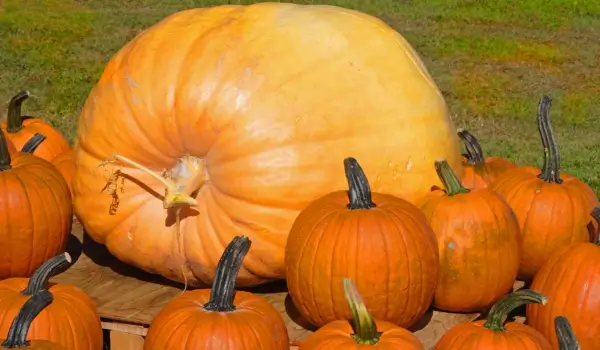
Use sugar pie pumpkins or other cooking varieties rather than large carving pumpkins, which tend to be stringy and watery. Roast the pumpkin first for deeper, richer flavor, and do not toss the seeds. Roasted pumpkin seeds make a crunchy topping for any of these dishes.
A Final Thought
Pumpkin soups and stews prove that comfort food can be simple, healthy, and delicious. Pick your favorite recipe, grab a fresh pumpkin, and fill your kitchen with the flavors of the season.…